For disciples of
St. Thomas Aquinas
For disciples of
St. Thomas Aquinas
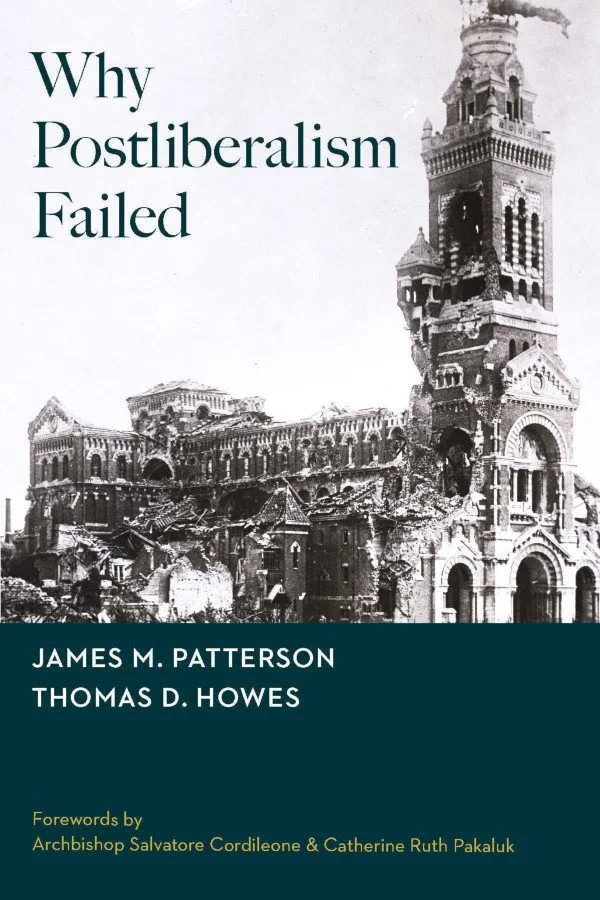
John Macias reviews James M. Patterson’s and Thomas D. Howes’s attempted postmortem of postliberalism.
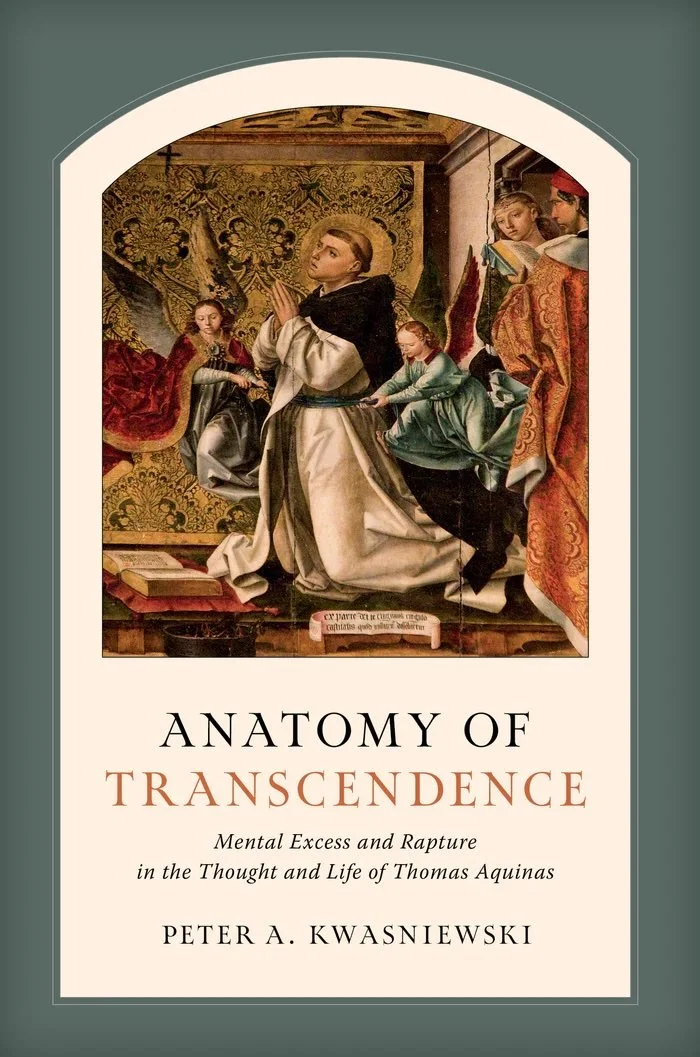
Joey Belleza reviews Kwasniewski on mental excess and rapture in Aquinas.
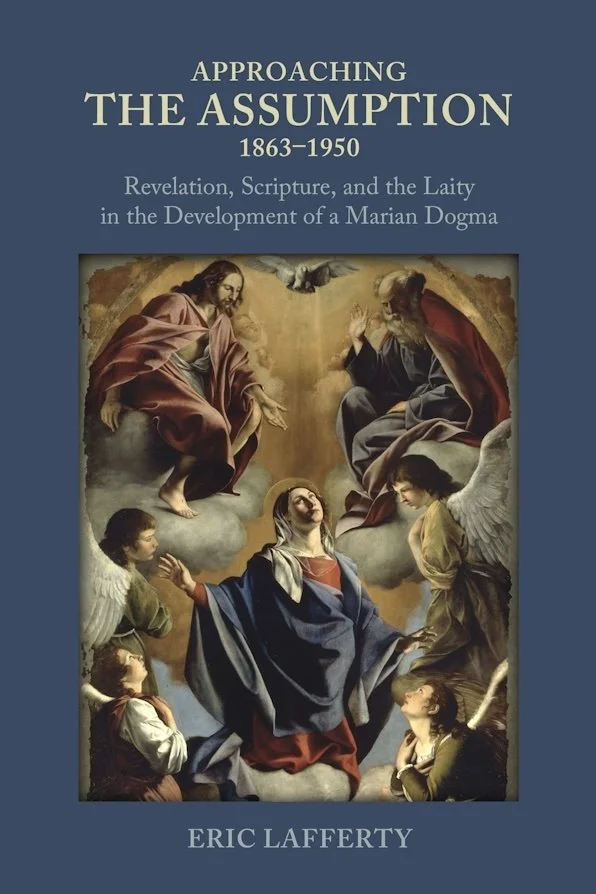
David Sherwood reviews Eric Lafferty on Mariology.
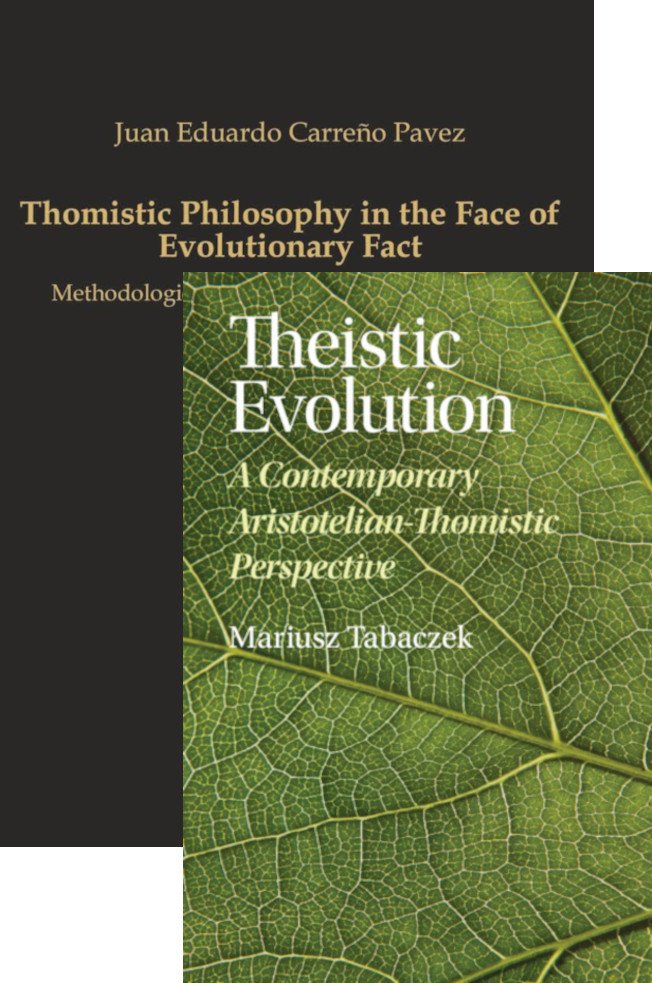
John Brungardt reviews two recent Thomistic books on evolution by Mariusz Tabaczek, O.P. and Juan Eduardo Carreño Pavez.
Joshua Villanueva on the fragmentation modern culture works upon the integrity of man’s three natural inclinations (Summa Theologiae I-II q. 94).
The main theme of the IMC 2027 is ‘communities’: “The study of communities involves groups of people, their sharedness, and how those groups define themselves and manage challenges over time. They include the individual’s experience, place, and change relative to the group. The relationship between the individual and circle of social actors with whom they interact affects how these groups appear and work as well as how they influence the actions and activities of the individual.”
Within this thematic focus, the IGTM would like to present perspectives from Christian theology and spirituality. Every Christian community is constituted through its relationship to Jesus Christ. However, this can result in different conceptions and forms of community. Spanning the period from 500 to 1500 AD, we aim to explore the practical and theoretical conceptions of Christian community within theological frameworks and piety. We particularly welcome contributions on the following topics:
(1) The Christian Church as a community
(2) Monastic communities
(3) Laypeople and Community

Michael Humphreys translates into modern context some crucial terms of St. Thomas’s teaching on usury.